
Category: child-online-safety

Five practical lessons to build rights‑first, privacy-preserving DM abuse detection that reduces harm and keeps humans in the loop.

AI scores each DM in context to detect grooming patterns, explain score changes, and produce concise alerts for fast human review.

Grooming risk appears in conversation shifts; track DM threads, not isolated messages, to spot escalation early.
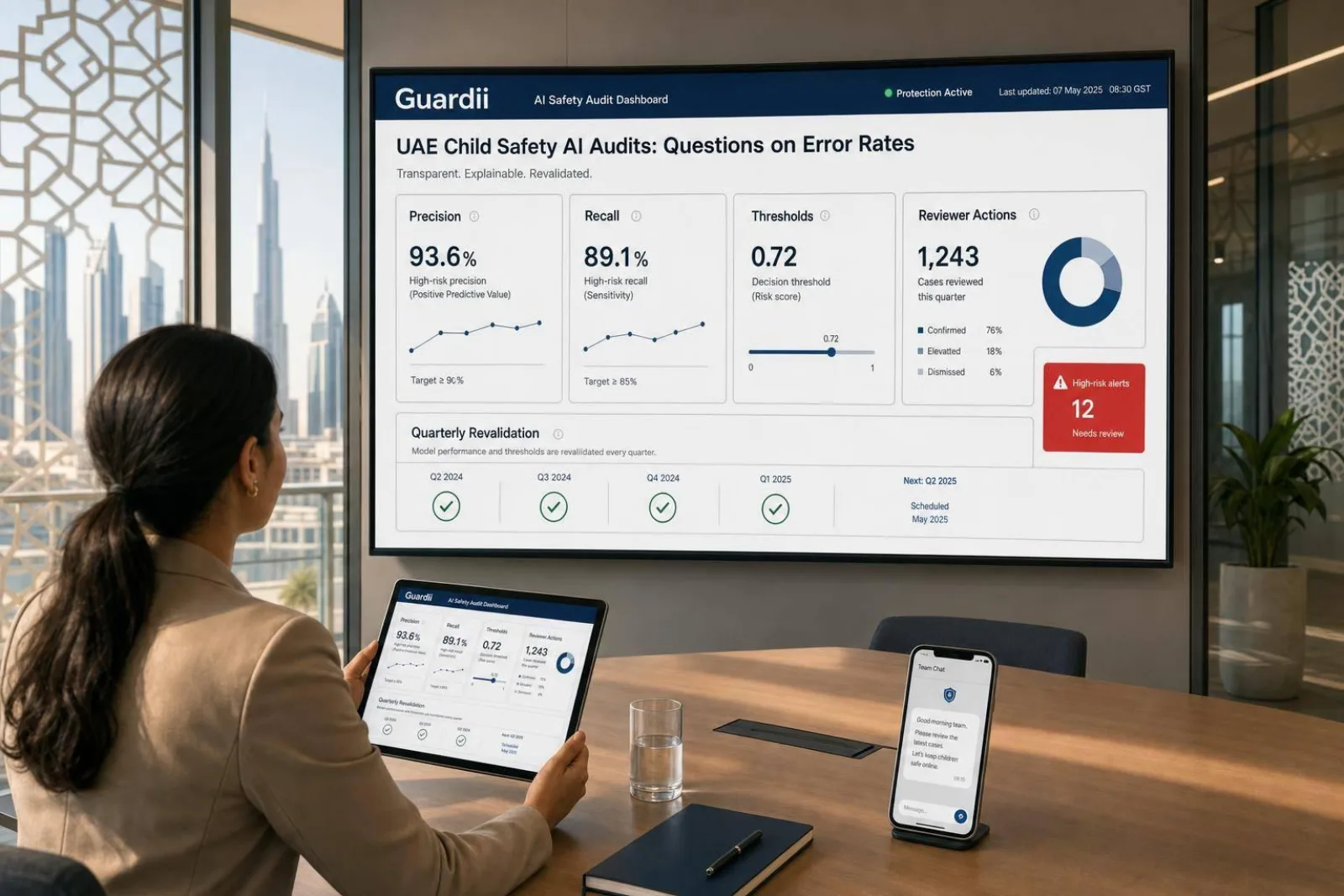
UAE audit rules for child-safety AI: report precision/recall, log thresholds and reviewer actions, revalidate quarterly.

Grooming in DMs unfolds as a predictable escalation; AI spots the sequence from compliments to sextortion before explicit messages appear.

Act fast: report suspected child exploitation to platforms, hotlines, and police; preserve full-screen evidence, UTC timestamps, and report IDs.
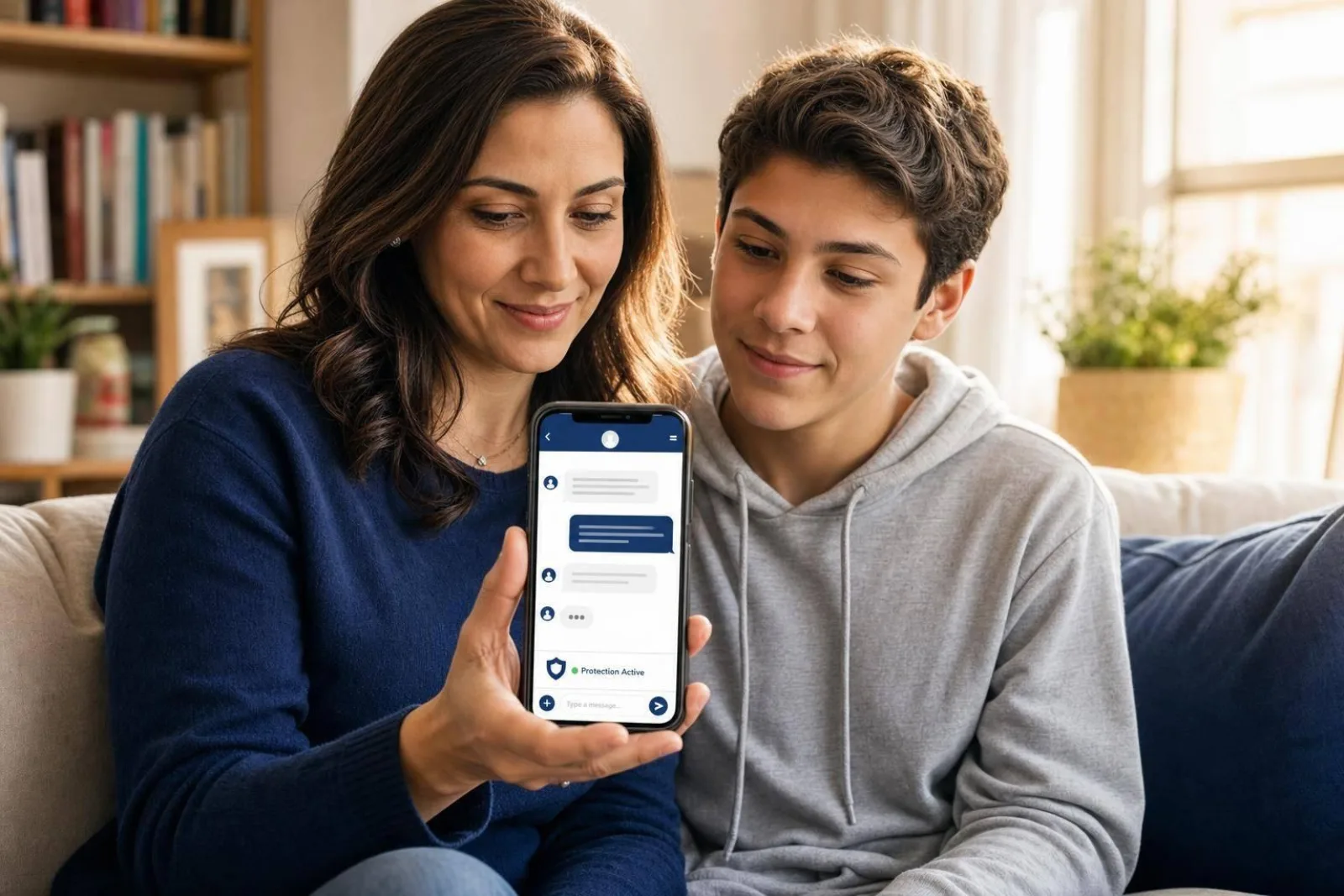
Behavior-based AI to spot grooming in private messages while protecting children's privacy and family trust.
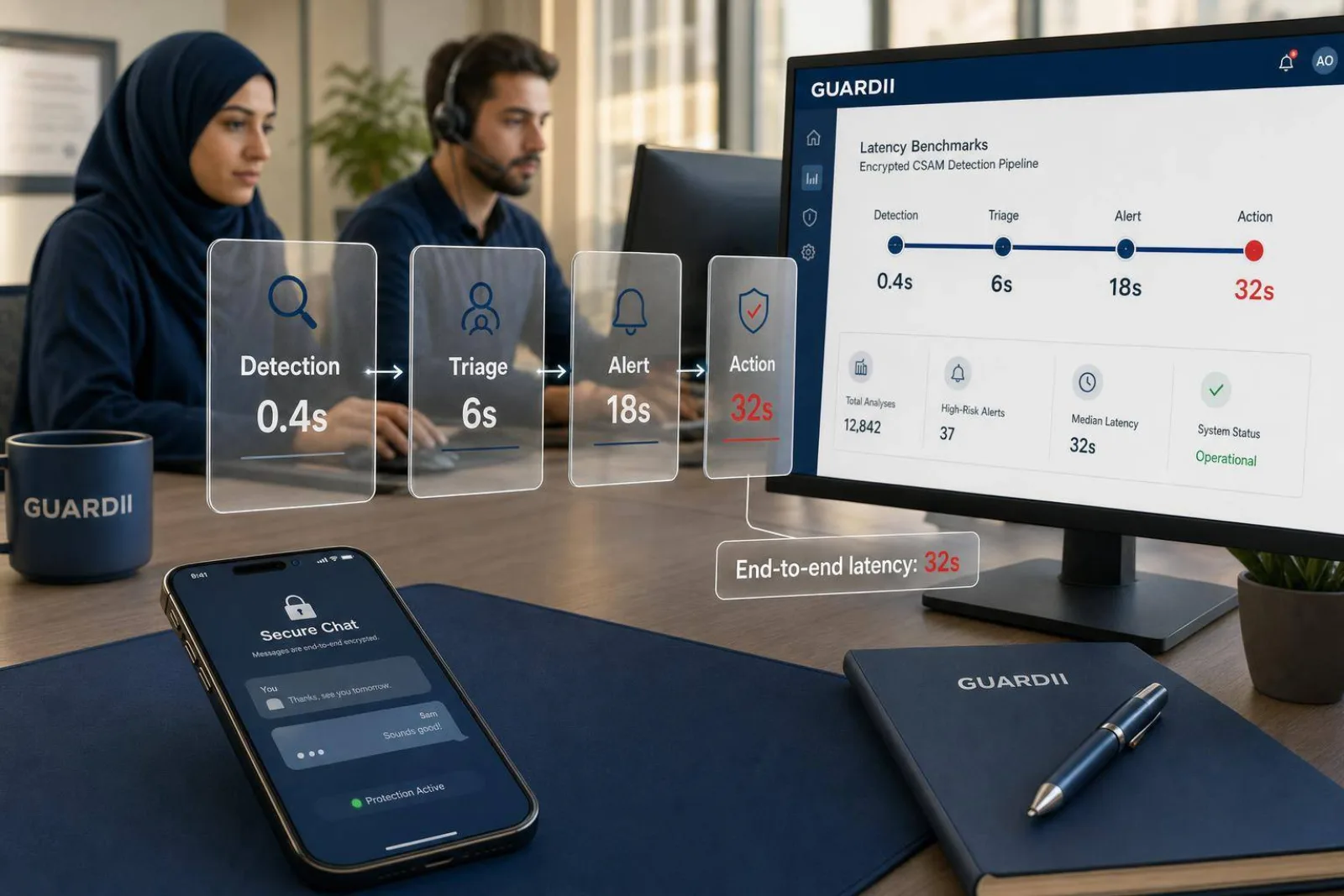
End-to-end detection-to-action latency—not model speed alone—determines safety in encrypted CSAM systems.
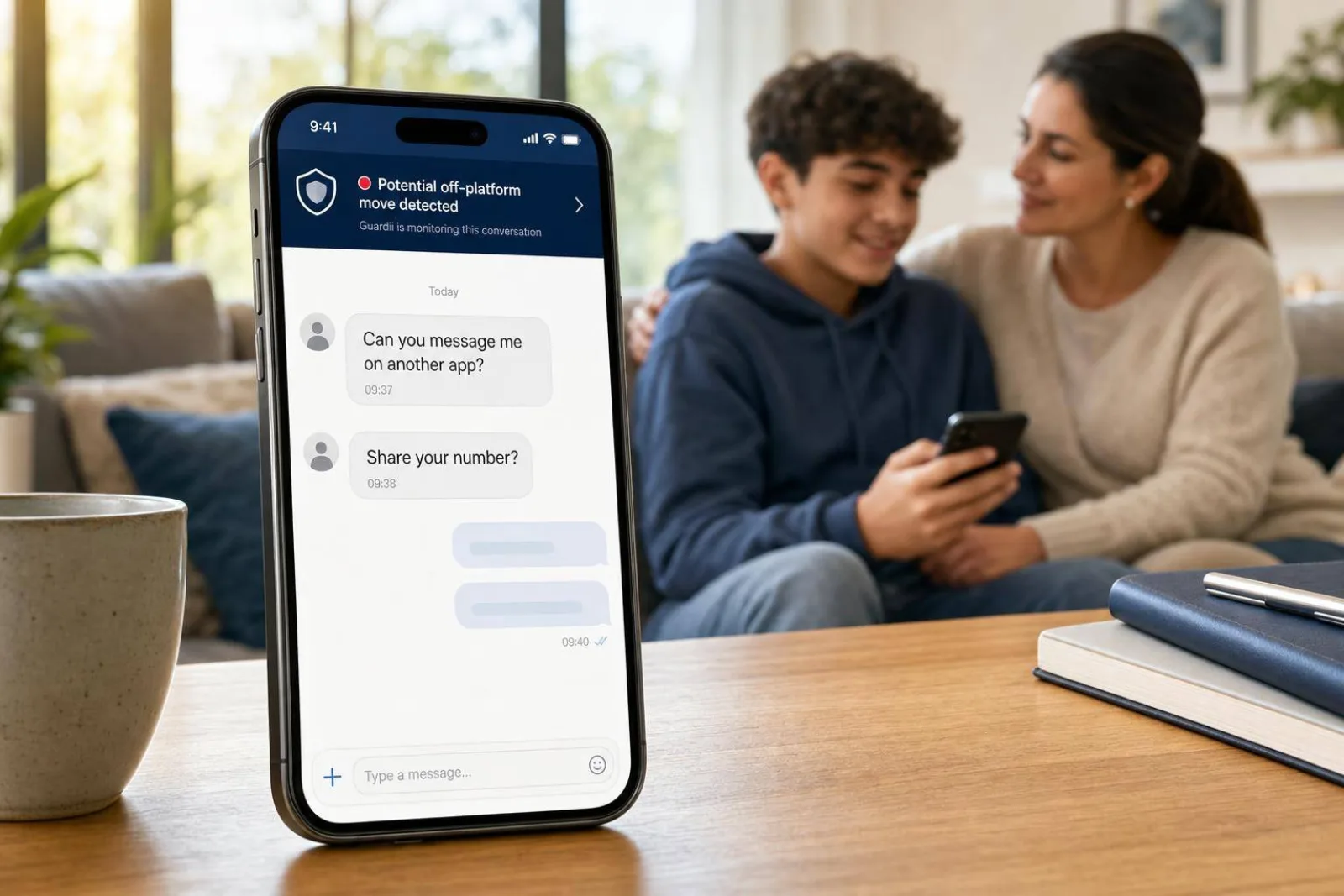
10 clear signs a conversation is being moved off-platform, why risk rises, and what messages to save and report.

Argues age checks be used only where risk is high, favoring least-intrusive methods, privacy limits, and behavior-based protections for minors.