
Cyberbullying Test
Understand Harmful Online Behavior
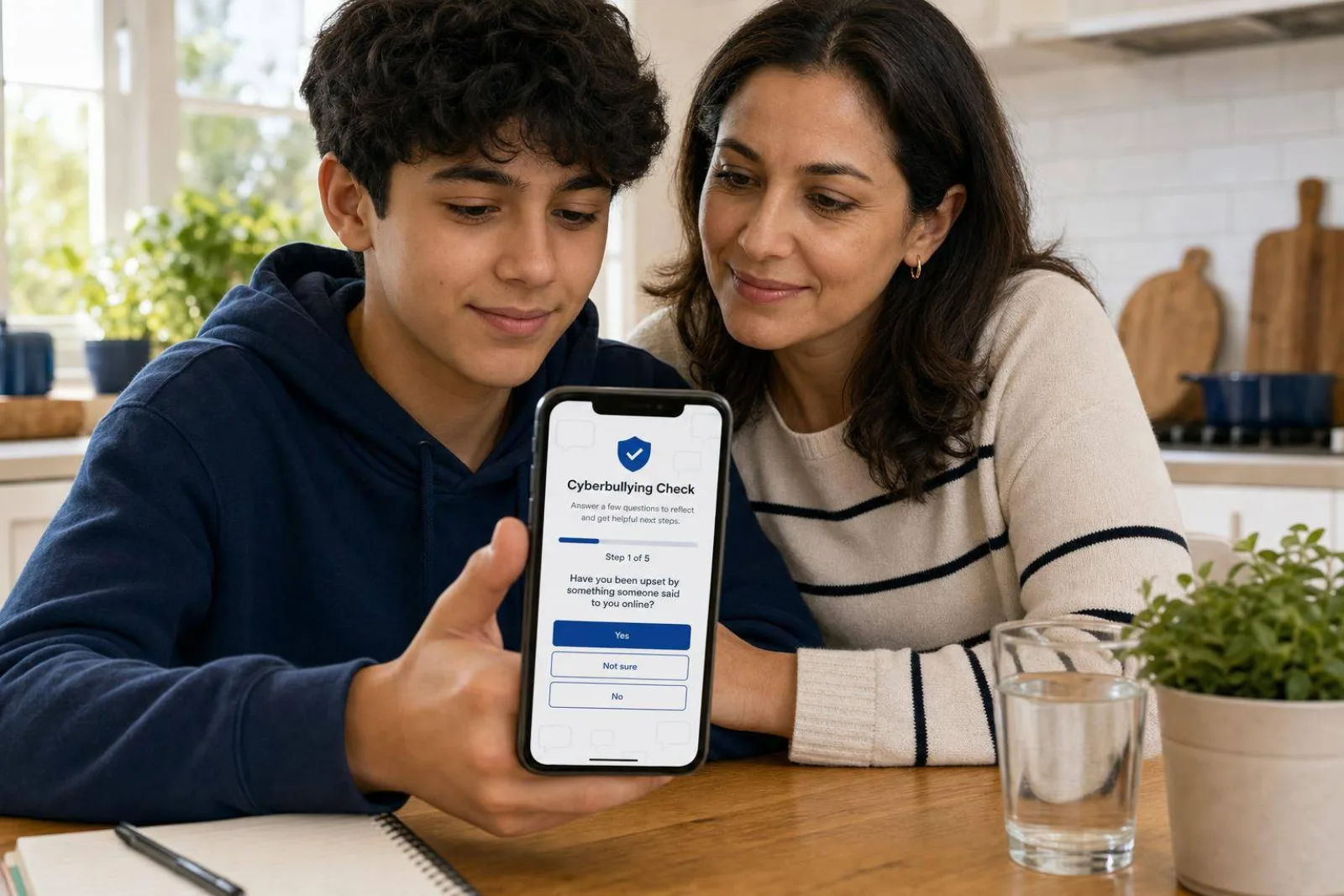
A Cyberbullying Test can help people pause, reflect, and look at online behavior more clearly. Sometimes it’s obvious that repeated harassment, threats, humiliation, or rumor spreading has crossed a line. Other situations feel harder to name, especially when the behavior is mixed with jokes, peer pressure, exclusion, or anonymous messages. This tool is designed to help users sort through those patterns without blame or panic.
What This Tool Looks For
The questionnaire focuses on common warning signs linked to digital abuse: repeated contact, fear caused by threats, impersonation, image-based harm, stalking-like monitoring, and coordinated targeting. It also weighs context, such as whether there’s a power imbalance or whether the incident seems more like a one-time argument without intimidation. That matters, because not every unpleasant online conflict fits the same pattern.
Calm Guidance, Not a Final Verdict
This Cyberbullying Test offers a transparent score, clear result ranges, and practical next steps. Users can learn when to document incidents, use block and report tools, and reach out to a trusted adult, school, workplace contact, or platform moderator. If there is an immediate threat, emergency help should be contacted right away. Used thoughtfully, a cyberbullying self-assessment can support safer decisions and more informed conversations.
FAQs
Is this Cyberbullying Test a diagnosis or official determination?
No. This tool is educational and self-assessment based, not a diagnosis, legal opinion, school finding, workplace ruling, or emergency-response service. It can help you reflect on patterns that often appear in cyberbullying, but it cannot determine intent with certainty or replace help from qualified professionals, school staff, HR teams, legal counsel, or emergency responders.
What kinds of behavior does the tool look for?
The questionnaire looks at common warning signs such as repeated online abuse, threats, humiliation, rumor spreading, impersonation, deliberate exclusion, non-consensual image sharing, stalking-like monitoring, anonymous harassment, coordinated targeting, and whether the behavior caused fear or emotional harm. It also considers context, including whether there seems to be a power imbalance and whether the situation looks like a one-time disagreement rather than a repeated pattern.
What should I do if the result suggests serious concern?
Start by saving evidence if it’s safe to do so, including screenshots, usernames, dates, links, and messages. Use platform tools to block and report abusive accounts. If the situation involves a classmate, peer group, coworker, or someone tied to a school or workplace, consider telling a trusted adult, school counselor, administrator, teacher, manager, or HR representative. If there are threats of violence, blackmail, stalking, sexual exploitation, or an immediate risk to safety, contact emergency services or local authorities right away. This tool is for informational use only and cannot replace urgent help.